Siri Special #3: What sets Apple’s AI strategy apart?
Apple’s AI strategy focuses on on-device processing, privacy protection, and deep integration with its own silicon (M series) and Vision Pro, ensuring user data and device safety. This article explains Apple’s unique AI philosophy and its practical implementation in clear, accessible terms.
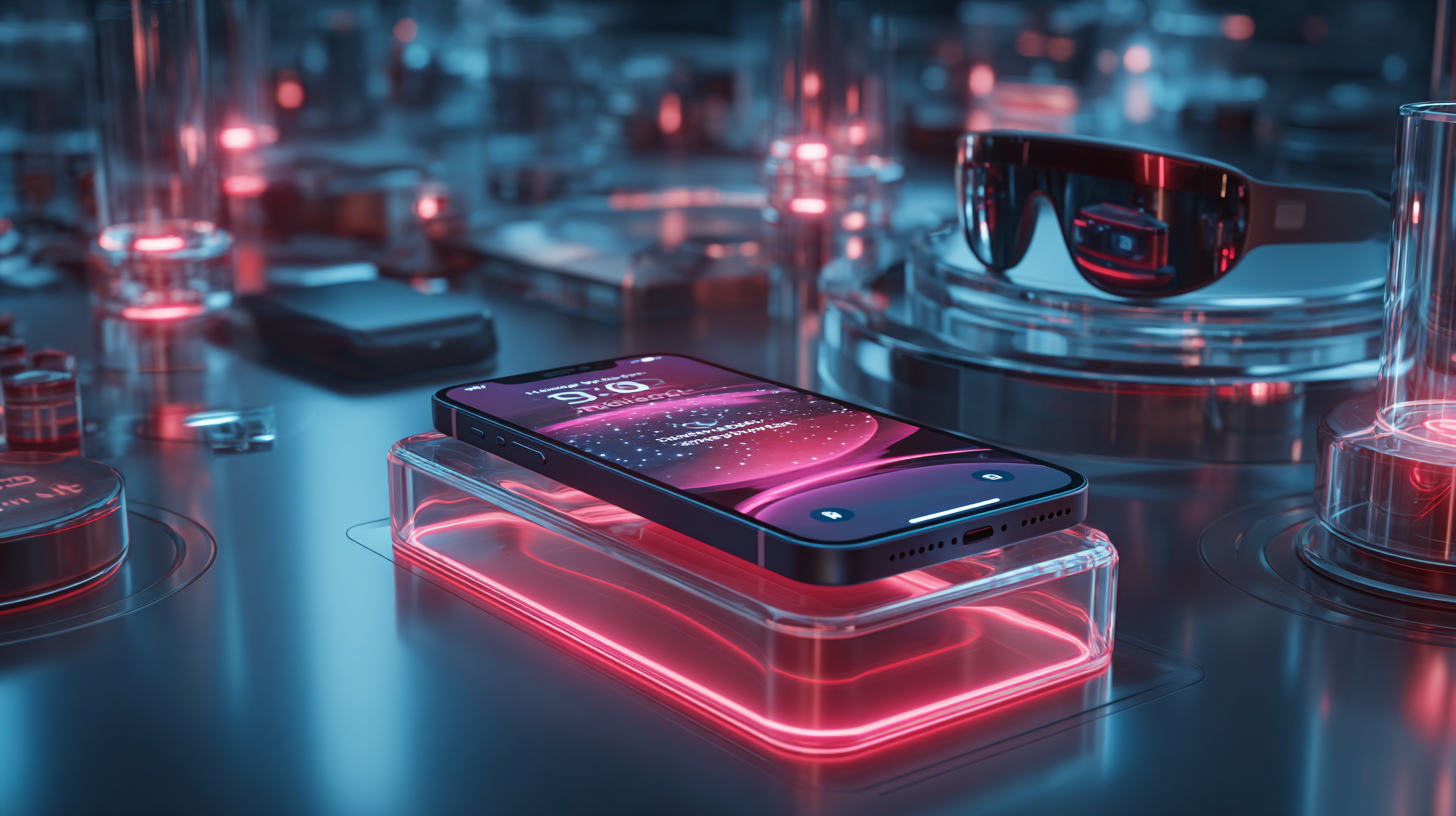
Apple is building a unique AI ecosystem centered on four pillars: on-device AI, privacy-first design, deep integration with its own silicon, and extending intelligence to next-generation devices like Vision Pro. The goal is to offer a truly personalized AI experience built on your device and your data—private, fast, and deeply integrated.
On-Device AI: All Processing Stays in Your Hands
The most important feature of Apple’s AI strategy is on-device AI. This means that AI computations are handled directly on your iPhone, iPad, or Mac, rather than in the cloud. For example, features like automatic recognition of people or objects in the Photos app, keyboard auto-complete, Face ID, and Siri’s basic voice commands all work without any internet connection. This ensures your data never leaves your device, protecting your privacy and delivering lightning-fast response times.
The reason this is possible is because Apple’s proprietary silicon (A-series and M-series chips) comes equipped with a dedicated Neural Engine for AI processing. These chips can handle billions of calculations in real time. Since introducing Core ML in 2017, Apple has continuously optimized both its hardware and software to maximize on-device AI performance.
Privacy-First AI: Apple’s Differentiator
Privacy is another core value that defines Apple’s approach to AI. The company has repeatedly stated, “Privacy is a human right, and we will not compromise, even with AI.” The Apple Intelligence strategy introduces a new concept called Private Cloud Compute. Most AI tasks are handled on the device, but when more complex processing is required, only minimal, encrypted data is temporarily sent to Apple’s own servers. These servers are under Apple’s direct control, maintaining the same level of privacy as on your device.
Apple emphasizes that any data sent to its servers is never stored permanently. When using external models like ChatGPT, Apple’s systems are designed to hide user identity and IP address. For example, in iOS 18, OpenAI cannot store user conversations through ChatGPT. There are also cryptographic safeguards to ensure software on the server side is properly verified, increasing trust in the system.
Silicon Innovation and Hardware Integration
Apple’s strength lies in its tight integration of hardware and software. The latest chips—such as the M1, M2, and A17 Pro—feature 16 or more Neural Engine cores, capable of performing trillions of AI operations per second. Since iOS 15, Siri’s voice recognition has been handled on-device, so commands like “Hey Siri, set a timer for five minutes” can be processed instantly, without any server communication. In fact, most Apple Intelligence features are only available on the latest devices like the iPhone 15 Pro and iPhone 16, while older devices offer limited functionality.
Apple has also deployed high-performance servers running its own silicon in its data centers, so even when large-scale AI computations are required, all data processing remains within Apple’s environment—not with third-party clouds like Google or Amazon. This approach ensures end-to-end control for maximum security and reliability.
Vision Pro and the Evolution of Personalized AI
Apple’s AI strategy is fully realized in new products like the Vision Pro, a mixed reality (MR) headset that reads your eyes, hands, and surroundings in real time. This device merges computer vision, machine learning, and sensor technology to enable natural interaction through gestures, eye movement, and voice. Core features like iris authentication, eye tracking, and avatar creation all run on-device using AI.
The Vision Pro includes both M2 and R1 chips, which rapidly process input from numerous sensors and cameras. This allows for intuitive, controller-free navigation and interaction. Siri will also be a primary input method on Vision Pro, making advances in voice assistance crucial to the user experience on this device.
Apple’s AI Means “Personal Intelligence”
In summary, Apple’s AI strategy can be described as “AI for me—on my device, using my data.” The company prioritizes device-based processing over the cloud, privacy over data collection, and seamless hardware-software integration. Tim Cook calls this “Personal Intelligence” rather than just “AI,” promising Apple users powerful, private, and personalized AI for the future.
Although Apple is now considering external AI model integration, its core approach of “doing things the Apple way” remains intact. Even in the age of AI, Apple will continue to pursue a strategy where hardware, software, and services are unified in a singular ecosystem.
- This content was originally written in Korean and translated into English using ChatGPT. We kindly ask for your understanding, dear readers.